
Community-Based Biodiversity Conservation: Strengthening Local Stewardship in Indonesia
Community-based biodiversity conservation (CBBC) represents a holistic approach aimed at preserving biodiversity through the active participation of local communities. Indonesia
Wibinusa Researcher
2/25/20264 min read
Understanding Community-Based Biodiversity Conservation
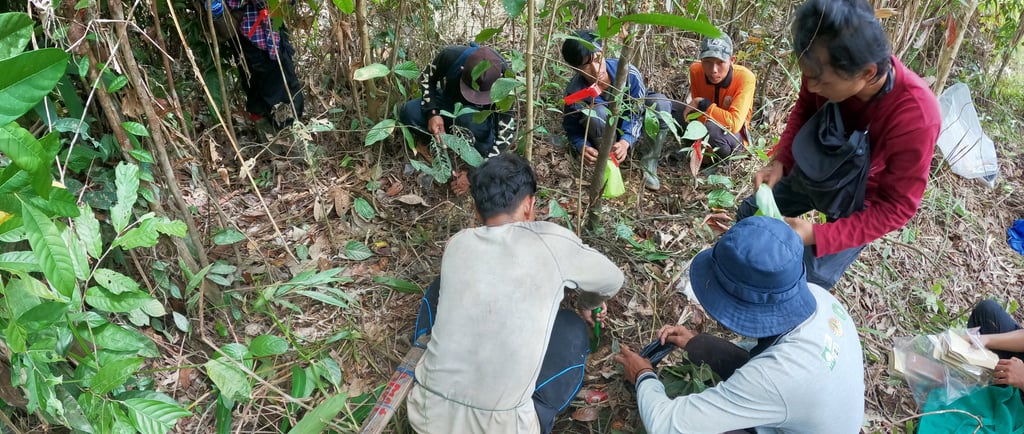
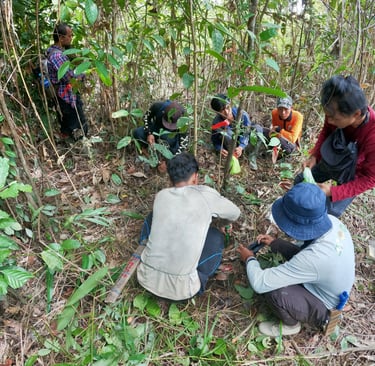
Community-based biodiversity conservation (CBBC) represents a holistic approach aimed at preserving biodiversity through the active participation of local communities. Indonesia, renowned for its astonishing array of wildlife and ecosystems, stands at the crossroads of biodiversity-rich regions, making the implementation of CBBC particularly critical. The country faces numerous challenges such as deforestation, habitat loss, and climate change, which threaten not only wildlife but also the livelihoods of communities dependent on these ecosystems.
Core principles of CBBC center around community involvement and sustainable practices. By actively engaging local populations in conservation efforts, CBBC empowers them to take ownership of their natural resources. This involvement includes the integration of traditional knowledge, which often contains invaluable insights into local ecosystems and sustainable resource management. Traditional practices, honed over generations, frequently emphasize the importance of ecological balance and can guide modern conservation strategies.
Success stories of CBBC in Indonesia highlight the potential of this approach. Numerous community-led initiatives have shown promising results in safeguarding endangered species and restoring ecosystems. For example, in areas where local communities have been granted the authority to manage natural resources, there has been a noticeable decline in illegal logging and poaching activities. These initiatives often foster collaboration between various stakeholders, including local governments, NGOs, and the private sector, ensuring a more integrated approach to biodiversity conservation.
However, challenges persist. Conflicts can arise between community interests and external commercial pressures, such as agriculture and mining. Strengthening local stewardship through education and equitable benefit-sharing mechanisms is essential to overcome these obstacles. Moreover, ensuring the representation of diverse voices within communities remains crucial for the successful implementation of CBBC initiatives. By addressing these challenges head-on, Indonesia can further develop its biodiversity conservation efforts and promote sustainable practices essential for ecological balance and community welfare.
Case Studies of Successful CBBC Initiatives in Indonesia
Indonesia, renowned for its rich biodiversity, has been the site of several remarkable community-based biodiversity conservation (CBBC) initiatives. These initiatives highlight the significant role of local communities in preserving their ecosystems through innovative and sustainable practices.
One noteworthy case is the Coral Triangle Initiative in Raja Ampat, West Papua. This initiative is a collaboration among local fishermen, conservation groups, and government authorities focused on marine conservation. The community adopted sustainable fishing practices and established marine protected areas (MPAs) to safeguard coral reefs. This not only helped in preserving marine biodiversity but also boosted local fisheries, enhancing food security and livelihoods.
Another exemplary case is found in the post-logging forests of Central Kalimantan. Here, indigenous communities have implemented agroforestry systems that integrate traditional agricultural methods with forest conservation. Through the establishment of community forests, these groups have successfully restored degraded lands while promoting biodiversity. The outcomes included increased forest cover and the return of various wildlife species, showcasing their holistic approach to conservation.
In Bali, the Rice Field Subak System illustrates successful agricultural biodiversity conservation. The cooperative water management practices employed by the local farmers reflect a sustainable way of cultivating rice while conserving water resources. This traditional system promotes the growth of diverse plant species in the rice paddies, resulting in healthier ecosystems and improved resilience to climate change.
These case studies exemplify how local stewardship in Indonesia has led to impactful biodiversity conservation outcomes. By integrating traditional practices with modern conservation methods, communities contribute effectively to the sustainability and resilience of their environments. The success of these initiatives reinforces the importance of empowering local communities as stewards of biodiversity.
The Role of Local Communities in Biodiversity Stewardship
Local communities play a pivotal role in biodiversity stewardship, serving as custodians of their natural environments and resources. Their extensive local knowledge and cultural practices are integral to conservation efforts, enhancing the overall effectiveness of biodiversity management strategies. Communities that have lived for generations in particular ecological zones have developed an intimate understanding of local ecosystems, which enables them to implement effective conservation practices tailored to their unique contexts.
One significant aspect of community involvement in biodiversity stewardship is the promotion of sustainable resource management. When local communities actively participate in decision-making processes regarding natural resource utilization, they are more likely to adopt practices that balance ecological integrity and economic viability. This approach not only conserves biodiversity but also ensures that resources remain available for future generations, fostering a sense of responsibility towards the environment.
Moreover, empowered communities engaged in biodiversity conservation experience various socio-economic benefits. Participation in stewardship activities can lead to better livelihoods as communities develop sustainable tourism initiatives or eco-friendly agricultural practices that align with conservation goals. This additional income not only helps lift families out of poverty but also reinforces cultural identities and promotes traditional ecological knowledge. By recognizing and valuing these contributions, local communities strengthen their role in biodiversity conservation while ensuring their cultural heritage is preserved.
Involving local communities in biodiversity stewardship is therefore crucial. Their commitment and deep-seated knowledge of the land can significantly enhance conservation outcomes while simultaneously improving their socio-economic conditions and cultural identity. By facilitating this active engagement, policymakers and conservation organizations can foster sustainable practices that benefit both people and the environment in Indonesia.
Challenges and Future Directions for CBBC in Indonesia
Community-based biodiversity conservation (CBBC) in Indonesia faces numerous challenges that hinder its effectiveness. Political instability, economic pressures, and environmental degradation are among the primary factors that impact the success of these initiatives. Political challenges often arise from conflicting interests at various governance levels, which can lead to inadequate policy implementation and insufficient support for local communities. Additionally, rapid economic development can result in habitat destruction and biodiversity loss, as industries expand into previously protected areas, undermining the core objectives of CBBC programs.
Furthermore, communities are often left without the necessary resources or training to implement sustainable practices effectively. A lack of financial support and technical assistance limits their ability to adopt innovative conservation methods, while socio-economic disparities can exacerbate the challenges faced by local stewardship. In this context, it is essential to identify potential future directions to bolster CBBC efforts across Indonesia.
One promising strategy involves fostering partnerships with non-governmental organizations (NGOs) that have experience in biodiversity conservation and community engagement. These partnerships can enhance resource mobilization, provide essential training, and facilitate knowledge exchange. Additionally, policy recommendations should be directed toward strengthening local governance structures, which can empower communities to take greater responsibility for managing their natural resources.
Furthermore, increased governmental support for CBBC initiatives is crucial. This could include financial backing and the integration of biodiversity preservation into national and regional development agendas. Investing in community capacity-building not only helps in addressing immediate conservation challenges but also ensures the long-term sustainability of local stewardship. Ultimately, fostering an inclusive approach that recognizes the value of traditional ecological knowledge alongside scientific expertise will enhance the efficacy of biodiversity conservation efforts in Indonesia.