
Environmental Education: A Catalyst for Sustainable Development
Various educational institutions, ranging from schools to universities, play a significant role in the implementation of environmental education.
Wibinusa Researcher
2/25/20264 min read
Understanding Environmental Education
Environmental education is a comprehensive approach to teaching individuals about the environment and fostering a deep appreciation for the natural world. The primary objective of environmental education is to create awareness and understanding of the interconnectedness of human activities and ecological systems. This educational approach encourages learners to develop critical thinking skills concerning environmental challenges, empowering them to become informed citizens and advocates for sustainable practices.
At the heart of environmental education are key principles such as eco-literacy, which refers to the knowledge and understanding required to navigate and address the complexities of environmental issues. Individuals with a high level of eco-literacy can recognize the influence of their actions on the environment, make informed decisions, and advocate for sustainable solutions. This is crucial in fostering sustainable communities, where inhabitants work collaboratively to protect and enhance their local ecosystems.
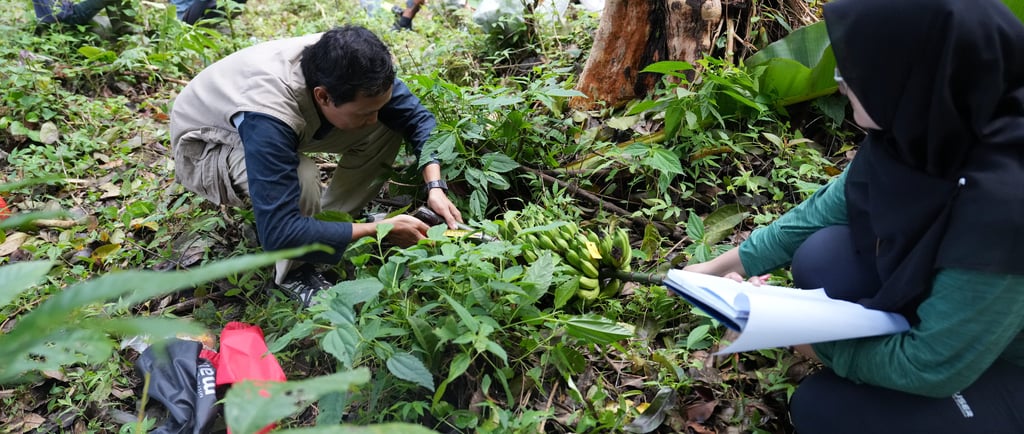
Various educational institutions, ranging from schools to universities, play a significant role in the implementation of environmental education. These institutions integrate environmental concepts into their curricula, enabling students to explore a broad range of topics, including biodiversity, climate change, resource management, and social equity. Moreover, extracurricular activities, such as community service projects and environmental clubs, enrich educational experiences and promote responsible citizenship.
In essence, environmental education aims to equip individuals with the necessary tools to engage critically with environmental issues, fostering a sense of responsibility towards the planet. This proactive stance not only enhances personal insight but also contributes to the broader goal of achieving sustainable development. Through informed action and community involvement, environmental education serves as a catalyst for positive change and resilience in the face of environmental challenges.
The Role of Environmental Education in Promoting Sustainability
Environmental education serves as a cornerstone for promoting sustainability by equipping individuals with the knowledge and skills necessary to make informed decisions regarding resource use and management. This educational approach aims not just to impart information about environmental issues, but also to foster critical thinking, problem-solving, and civic engagement. When individuals and communities are educated about environmental challenges such as climate change, pollution, and biodiversity loss, they are more likely to take proactive steps toward sustainable practices.
One of the key aspects of environmental education is its ability to empower communities. Programs that integrate sustainability concepts into curricula allow learners to engage with real-world problems, thereby encouraging active participation in their communities. For instance, many schools implement outdoor learning experiences wherein students can explore local ecosystems while developing an appreciation for nature. These experiences help students understand the interconnectedness of ecological systems and human society, reaffirming the importance of sustainable actions.
Furthermore, successful environmental education initiatives often collaborate with policymakers to create frameworks that support sustainability. By aligning educational programs with local and national policies, stakeholders can ensure that environmental stewardship is a shared goal. Research has shown that communities that prioritize environmental education frequently report increased engagement in sustainability practices such as recycling, conservation, and renewable energy use. Such initiatives not only foster a culture of sustainability but also help nurture future leaders who are equipped to address complex environmental challenges.
In summary, environmental education plays a vital role in promoting sustainability by empowering individuals, enhancing community engagement, and aligning educational frameworks with policy initiatives. By focusing on the principles of sustainability, educational programs can create informed citizens who are prepared to make responsible choices regarding the environment, leading to long-term benefits for society and the planet.
Challenges in Implementing Environmental Education
The implementation of environmental education faces numerous challenges that hinder its effectiveness on a global scale. One primary barrier is the issue of funding limitations, which can significantly restrict the development and execution of educational programs. In many regions, particularly developing countries, financial resources are allocated to more immediate needs such as infrastructure and health, leaving environmental education underfunded. This lack of investment can prevent educators from accessing necessary materials or professional development opportunities, ultimately affecting the quality of instruction offered to students.
Additionally, varying political will can complicate the advancement of environmental education initiatives. In some areas, government policies may not prioritize sustainability, resulting in curriculum constraints where environmental topics are either downplayed or entirely excluded from educational frameworks. Furthermore, the political climate may foster resistance to change, as stakeholders with vested interests may oppose integrating environmental education into mainstream curricula.
Disparities in access to education across different regions also present significant challenges. While some communities have access to robust educational systems, others may struggle with inadequate facilities or a lack of trained teachers, leading to inequalities in environmental learning opportunities. Socioeconomic factors can further exacerbate these gaps, leaving underprivileged groups with limited exposure to crucial environmental concepts and practices.
Cultural attitudes towards the environment also play a significant role in shaping the reception and prioritization of environmental education. In cultures where economic development is firmly prioritized over environmental conservation, there may be resistance to embracing educational methods that promote sustainability. To overcome these challenges, it is vital to foster a collaborative approach among governments, educators, and communities, developing tailored strategies that integrate environmental education effectively and equitably across diverse contexts.
Future Perspectives: The Path Forward for Environmental Education
As we look to the future of environmental education, it is imperative to recognize its potential as a vital instrument for fostering sustainable development. Innovative trends such as the integration of technology into educational practices and community-based learning initiatives are becoming increasingly prevalent. These methods not only enhance student engagement but also cultivate a deeper understanding of environmental issues among diverse populations.
The advent of digital tools and resources offers unprecedented opportunities for educators to reach a broader audience. Online platforms can facilitate scalable learning experiences, making it possible to provide effective environmental education to remote and underserved communities. Additionally, the use of simulations and interactive applications enables learners to visualize the impact of their actions on ecosystems, thereby reinforcing the principles of sustainability.
Moreover, community-based learning initiatives promote collaboration between schools, local organizations, and government entities. Such partnerships enrich the educational experience by connecting theoretical knowledge with real-world applications. These initiatives empower students to partake in local environmental stewardship projects, fostering a sense of ownership and responsibility towards their surroundings. By addressing local environmental challenges, these collaborations can significantly enhance the impact of environmental education, making it more relevant to communities' specific needs.
Collaboration among various stakeholders is crucial for advancing the field of environmental education. Governments, non-governmental organizations (NGOs), and private sectors must work together to establish comprehensive frameworks that prioritize sustainability in education. This collective approach can lead to the development of effective policies and programs that not only support educators but also equip learners with the necessary skills and knowledge to tackle future environmental challenges.