
From Field Data to Policy Impact: Advancing Evidence-Based Conservation
Field data plays a crucial role in conservation decision-making, forming the backbone of evidence-based policies and practices that address environmental challenges.
Wibinusa Researcher
2/25/20264 min read
Understanding Evidence-Based Conservation
Evidence-based conservation is an approach that emphasizes the systematic use of rigorous data collection and analysis to inform and shape conservation practices and policies. This methodology seeks to replace intuition and anecdotal evidence with empirical findings, ensuring that strategies for protecting biodiversity are rooted in scientific validity.
At its core, evidence-based conservation operates on several key principles. First, it advocates for the collection of robust data from a variety of sources, including field studies, remote sensing technologies, and ecological modeling. Such data provides a comprehensive understanding of ecosystems and species, enabling practitioners to identify trends, threats, and opportunities for effective conservation interventions.
Moreover, the analysis of this data is crucial. By employing analytical frameworks, statisticians and ecologists can interpret complex datasets, revealing patterns that inform decision-making processes. This might involve assessing the effectiveness of existing conservation efforts, determining the viability of species populations, or evaluating the impacts of human activity on the environment. The objective is to develop an evidential basis that guides actions designed to conserve biological diversity.
This approach is particularly essential in the realm of environmental policy and practice. As conservation issues become increasingly urgent due to climate change and habitat loss, policies that are informed by empirical evidence can ensure resources are allocated efficiently and effectively. Additionally, adapting conservation strategies based on what the data shows is critical; it allows for a dynamic response to changing environmental conditions and species needs. Overall, integrating evidence into conservation planning fosters a sustainable future for biodiversity, illustrating that when decision-making is grounded in science, the potential for impactful conservation outcomes is significantly enhanced.
The Role of Field Data in Conservation Decision-Making
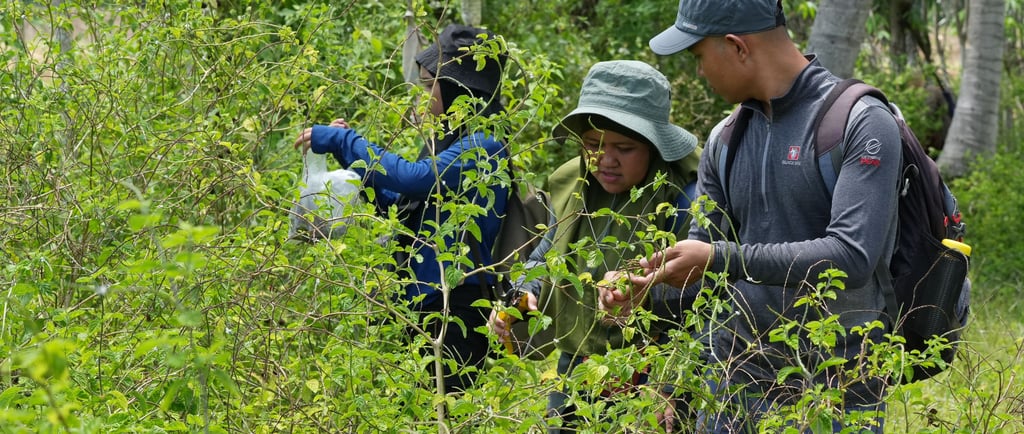
Field data plays a crucial role in conservation decision-making, forming the backbone of evidence-based policies and practices that address environmental challenges. Collecting robust field data involves various methods such as remote sensing, biological surveys, and community-based monitoring. These methods can be classified into two main categories: qualitative and quantitative data. Quantitative data, which includes numerical measurements and statistical analyses, enables conservationists to track population changes, habitat status, and species diversity over time. In contrast, qualitative data offers valuable insights into local ecological knowledge and community perspectives, which can inform more culturally sensitive conservation practices.
Several successful case studies illustrate how field data has directly influenced policy changes. For instance, in Madagascar, researchers utilized remote sensing technologies to monitor deforestation rates, thereby informing local policies aimed at forest preservation. Additionally, in the Great Barrier Reef, continuous ecological monitoring has provided evidence that led to the implementation of stricter fishing regulations, effectively contributing to the conservation of marine biodiversity.
Moreover, local community involvement in data collection not only enhances the credibility of the findings but also empowers communities to actively participate in conservation initiatives. Indigenous knowledge and experiences are invaluable as they complement scientific data, allowing for a more holistic understanding of ecosystems. For instance, in some regions, the integration of indigenous practices has resulted in the establishment of community-managed marine areas, which have shown to be effective in sustaining fish populations.
Overall, the use of field data in conservation decision-making fosters a collaborative approach where scientific research and traditional ecological knowledge converge, ultimately leading to more effective and equitable policy outcomes.
Challenges in Translating Data to Policy
Transforming field data into impactful conservation policies is fraught with numerous challenges that must be navigated for effective implementation. One of the primary barriers is data accessibility. Often, field data collected by scientists can be complex and technical, leading to difficulties in its dissemination. Policymakers may lack the resources or the expertise required to interpret such advanced data, resulting in a disconnect. This gap signifies not only a challenge in accessibility but also highlights the necessity for presenting data in a more digestible format to ensure its utility.
Furthermore, the discrepancy between the priorities of scientists and policymakers exacerbates the situation. While scientists might focus on empirical data and long-term ecological outcomes, policymakers are often driven by short-term economic gains or immediate public concerns. This divergence in priorities can hinder the translation of scientific findings into actionable policies, as decision-makers may overlook data-driven recommendations in favor of more politically expedient solutions. Bridging this gap requires ongoing dialogue and collaboration between the scientific community and policymakers.
Effective communication strategies also play a crucial role in the translation of scientific findings into policy. Communicating complex data in a clear and compelling manner ensures that non-experts comprehend the implications of the research. Utilizing visuals, simplifying language, and focusing on key takeaways can significantly enhance comprehension and retention of critical information. Additionally, engaging stakeholders from diverse sectors can promote a more integrated approach to policymaking, whereby data-driven recommendations are more likely to resonate with various audiences.
Addressing these challenges is essential for advancing evidence-based conservation. Enhancements in data accessibility, alignment of priorities, and improved communication strategies must be prioritized to ensure that field data effectively informs policy decisions.
Strategies for Advancing Evidence-Based Conservation
To enhance the impact of field data on conservation policymaking, several practical strategies and best practices can be implemented. A collaborative framework forms the foundation of effective conservation efforts. By fostering partnerships among scientists, policymakers, and practitioners, shared goals can be established, ensuring that field data directly informs policy decisions. This collaboration not only facilitates the sharing of insights but also builds mutual understanding among stakeholders, ultimately leading to more robust conservation policies.
Continuous monitoring and evaluation are essential components in the conservation process. Establishing systematic approaches to assess the effectiveness of implemented strategies allows for timely modifications based on observed outcomes. Adaptive management, where policies are adjusted based on ongoing data collection and analysis, is particularly important in a dynamic environmental context. This iterative process enables conservationists to remain responsive to changing conditions, thereby increasing the likelihood of achieving desired results.
The integration of new technologies plays a pivotal role in the advancement of evidence-based conservation. Tools such as remote sensing, geographic information systems (GIS), and machine learning can significantly enhance the ability to analyze large datasets and derive actionable insights. By leveraging these technological innovations, practitioners can better track environmental changes and predict potential impacts on ecosystems, thereby informing more effective policies.
Practical examples of successful initiatives abound. For instance, the collaboration between local governments and environmental NGOs in developing sustainable land-use policies demonstrates the effectiveness of stakeholder engagement in the policymaking process. Similarly, the use of real-time data analytics in marine conservation projects has enabled timely interventions, ultimately enhancing the resilience of marine ecosystems. By adopting these strategies, the conservation community can significantly elevate the role of field data in shaping impactful policies that favor both biodiversity and human needs.