
Protecting Endemic Species: Challenges and Opportunities in Tropical Ecosystems
Endemic species are organisms that are found exclusively in a specific geographic area, often constrained to a particular habitat, island, or region.
Wibinusa Researcher
2/25/20264 min read

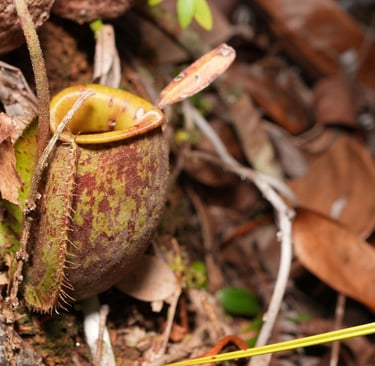
Understanding Endemic Species and Their Importance
Endemic species are organisms that are found exclusively in a specific geographic area, often constrained to a particular habitat, island, or region. These species have adapted over long periods of evolutionary time to the unique environmental conditions and ecological niches present in their locales. Their limited distribution makes them highly significant; not only do they contribute to the local biodiversity, but they also play crucial roles in maintaining the ecological balance of tropical ecosystems.
Tropical ecosystems, which are characterized by high levels of biodiversity and complex interdependencies among species, rely heavily on the presence of endemic species. These organisms often fulfill specific ecological functions, such as pollination, seed dispersal, and serving as prey or predator within food webs. For example, certain endemic plants may provide habitat and sustenance for unique insect species, which in turn may support various bird species, thus creating a network of ecological interactions that sustains the ecosystem.
The uniqueness of endemic species makes them valuable in research and conservation biology. They can serve as indicators of the health of their ecosystems; changes in their populations can signal ecological shifts or the impact of environmental stresses. Moreover, the study of these species can yield insights into evolutionary processes and adaptation, enhancing our understanding of biodiversity as a whole.
Overall, the importance of endemic species lies in their intrinsic ecological roles and the richness they contribute to tropical ecosystems. Protecting these species is crucial not only for preserving biodiversity but also for sustaining the ecosystems upon which multiple life forms, including human communities, depend. Their survival is thus intertwined with the broader health of their habitats, the assurance of which poses both challenges and opportunities for conservation efforts.
Challenges to Endemic Species in Tropical Ecosystems
Tropical ecosystems are among the richest in terms of biodiversity, yet they are facing numerous threats that endanger endemic species. One of the primary challenges is habitat destruction, largely caused by deforestation for agricultural expansion, urban development, and logging. This loss of habitat significantly reduces the available space for endemic species, disrupting their natural behaviors, breeding, and feeding patterns. Without adequate habitats, many species are pushed towards extinction, contributing to biodiversity loss on a global scale.
Climate change poses another significant challenge to endemic species. As global temperatures rise, changes in weather patterns, such as increased frequency of droughts and flooding, can lead to habitat degradation. This is particularly dire for species that have adapted to specific climatic conditions, as they may have limited ability to migrate or adapt to new environments. The resulting phenological mismatches, where the timing of life cycle events becomes out of sync with seasonal changes, can threaten their reproductive success and survival.
The introduction of invasive species further complicates the survival of endemic fauna and flora. Invasive species often compete with native species for resources, introduce new diseases, and alter the ecosystem dynamics, thereby diminishing the existing biodiversity. Endemic species often lack the natural defenses to cope with these new threats, making them particularly vulnerable.
Pollution is another pressing issue that affects endemic species in tropical ecosystems. Contaminants from agricultural runoff, industrial waste, and plastic pollution not only affect the health of these species but also disrupt the intricate relationships within ecosystems. Toxic substances can accumulate in the food chain, ultimately leading to declines in population and further loss of biodiversity.
Conservation Strategies for Endemic Species
Conserving endemic species in tropical ecosystems necessitates a multifaceted approach, which includes effective conservation strategies tailored to the unique challenges posed by these biodiverse regions. One prominent strategy is the restoration of habitats that have been degraded due to human activities. Habitat restoration involves rehabilitating ecosystems to revive their natural conditions, thereby providing a suitable environment for endemic species to thrive. Techniques can range from reforestation efforts to the removal of invasive species that compete with native flora and fauna.
Establishing protected areas also plays a crucial role in safeguarding endemic species. By designating regions as national parks or reserves, governments and organizations can better regulate land use and limit activities that pose threats to these species. Protected areas not only serve as refuges but also facilitate essential research and monitoring activities, allowing for the assessment of biodiversity and ecosystem health.
Incorporating community engagement is essential for the long-term success of conservation strategies. Local communities often possess invaluable traditional knowledge concerning endemic species and their habitats. By involving these communities in conservation efforts, organizations can foster a sense of stewardship and responsibility towards local biodiversity. Educational programs that raise awareness about the importance of endemic species and promote sustainable practices can significantly enhance local involvement.
Furthermore, adopting sustainable agricultural practices is vital for minimizing habitat destruction and ensuring the survival of endemic species. Techniques such as agroforestry and organic farming can help farmers maintain biodiversity while also meeting their economic needs. Lastly, advocating for policy changes that support wildlife conservation is critical. Successful case studies from various tropical regions demonstrate the impactful interplay of conservation strategies, emphasizing the importance of collaboration among stakeholders—including governments, NGOs, local communities, and the private sector—to promote biodiversity and protect endemic species.
Opportunities for Sustainable Development and Biodiversity Preservation
In the pursuit of sustainable development, there lies a significant opportunity to reconcile human activities with the preservation of endemic species in tropical ecosystems. Tourism, when done responsibly, can provide a vital source of revenue for local communities while promoting environmental stewardship. Ecotourism, in particular, allows tourists to experience the beauty of biodiversity firsthand, fostering a sense of appreciation and urgency to protect these unique species and their habitats. Clear policies and guidelines are essential to ensure that tourism does not negatively impact the ecosystems but rather supports their conservation.
Alongside tourism, the adoption of eco-friendly practices in agriculture and industry can also facilitate the preservation of endemic species. Sustainable agricultural techniques, such as agroforestry or organic farming, promote food production while minimizing habitat destruction and pollution. These practices contribute substantially to the maintenance of biodiversity, providing habitats for various species and supporting ecological balance. Implementing certification programs for sustainable products can incentivize local farmers and businesses to engage in practices that benefit both the environment and their economic sustainability.
Equally important is the active involvement of local communities in conservation efforts. Engaging indigenous peoples and local stakeholders in decision-making processes ensures that their knowledge and interests are respected and utilized. This collaboration can lead to the implementation of sustainable policies that reflect both ecological and economic realities. Educational programs that emphasize the importance of endemic species and the roles they play in ecosystem health can cultivate a sense of responsibility among community members, nurturing a culture of conservation.
Through these integrated approaches, the balance between human needs and ecological health can be achieved, fostering a brighter future for both endemic species and the communities that depend on them. Advocating for sustainable development that includes biodiversity preservation is crucial for maintaining the integrity of our tropical ecosystems.