
Scientific research serves as a cornerstone in the realm of environmental action, particularly within grassroots initiatives.
Scientific research serves as a cornerstone in the realm of environmental action, particularly within grassroots initiatives.
Wibinusa Researcher
2/25/20265 min read

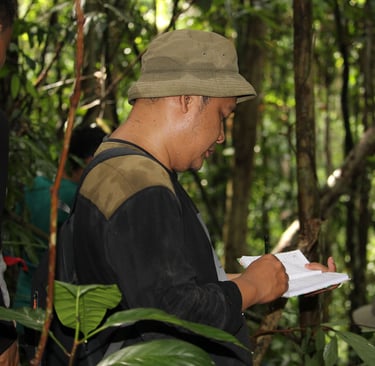
Understanding the Role of Science in Environmental Action
Scientific research serves as a cornerstone in the realm of environmental action, particularly within grassroots initiatives. It equips local activists with essential data and insights that inform their strategies and actions. Whether addressing issues related to climate change, biodiversity loss, or pollution, the disciplines of ecology, climate science, and social sciences provide relevant frameworks and empirical evidence. By integrating scientific findings into their efforts, grassroots movements can better identify pressing environmental challenges within their communities while formulating targeted responses.
The role of science extends beyond merely offering data; it plays a crucial part in raising awareness and understanding of complex environmental issues. For instance, ecological studies can reveal the interdependencies within local ecosystems, showcasing how certain species might be affected by environmental changes. Similarly, climate science offers predictions and modeling that can help communities grasp potential future scenarios, encouraging proactive strategies to mitigate risks. Social sciences contribute by exploring human behavior, shedding light on how cultural and societal factors influence environmental efforts, and emphasizing the importance of public engagement.
Access to the latest research and evidence-based practices allows grassroots environmental activists to make informed decisions. Armed with current scientific knowledge, activists can advocate effectively for policy changes, engage in community education, and implement action plans that align with best practices. Such an evidence-based approach not only enhances the credibility of grassroots organizations but also enhances their impact in fostering sustainable practices.
In summary, the integration of scientific research into grassroots environmental initiatives is imperative for fostering a path toward sustainable change. By leveraging data from various scientific disciplines, local activists can enhance their effectiveness while promoting long-term environmental stewardship within their communities.
Successful Case Studies: Where Science Meets Grassroots
In the realm of environmental action, several grassroots organizations have successfully integrated scientific research into their strategies, demonstrating the power of collaboration between researchers and local communities. One notable example is the Citizen Science Project in coastal regions of California, where community volunteers partnered with marine biologists to monitor the health of local fish populations. Through rigorous data collection and analysis, the project not only provided critical insights into the biodiversity of the area but also empowered residents to advocate for stronger fishing regulations based on scientific evidence.
Another exemplary case can be found in the efforts of The Clean Water Action initiative in the Midwest. This organization leveraged findings from environmental studies conducted by university researchers to raise public awareness about pollution in local water sources. By holding community forums that presented this research, grassroots activists were able to galvanize public support and successfully campaign for improved waste management policies at the municipal level. The effective communication of research results played a pivotal role in influencing local governance.
In addition, the Forest Restoration Network, a grassroots movement in the Pacific Northwest, collaborated with ecologists to develop scientifically-backed restoration plans for degraded forests. By utilizing ecological data regarding species composition and soil health, local volunteers implemented successful reforestation projects. This scientific foundation ensured that restoration efforts enhanced biodiversity and resilience against climate change impacts.
These case studies illustrate the benefits of integrating scientific research into grassroots efforts. By leveraging data, engaging local communities, and applying informed strategies, organizations have been able to drive significant policy changes and foster environmental restoration. The synergy between science and grassroots initiatives serves as a compelling model for effective environmental stewardship.
Building Bridges: Collaborating with Scientists and Researchers
For grassroots organizations seeking to enhance their impact on environmental issues, forming partnerships with scientists and researchers can be a game-changing strategy. These collaborations can facilitate knowledge transfer, foster innovative solutions, and ensure that environmental initiatives are grounded in solid scientific evidence. A prime avenue for such partnerships is through outreach programs that engage both scientists and community members. Establishing these programs typically involves identifying local issues that require scientific input and projecting them as areas of mutual interest to bring stakeholders together.
Joint projects stand as another effective method for collaboration. Grassroots organizations can actively involve researchers in designing and implementing projects that align with both scientific inquiries and community needs. For instance, environmental monitoring initiatives, habitat restoration efforts, or biodiversity assessments offer great opportunities for collaboration. Researchers can provide essential expertise and analytical skills while grassroots organizations can ensure the research relevance by grounding it in local contexts. This two-way exchange can lead to sustainable solutions tailored to the specific needs of the community.
Effective communication with researchers is crucial for successful collaboration. Grassroots organizations should aim to articulate their goals clearly while emphasizing the significance of research relevance to community aspirations. Ensuring that community voices are heard can enhance the engagement and investment of researchers in local projects. This entails regularly updating researchers about community needs and adapting research objectives to align with local priorities.
Ultimately, successful collaborations between grassroots organizations and scientists hinge on establishing a framework where mutual benefits are highlighted. Recognizing that research must be accessible and comprehendible to local stakeholders can facilitate stronger partnerships and ensure the sustainability of environmental initiatives. By building these bridges, communities can harness scientific insights to implement effective, on-the-ground environmental actions that foster lasting change.
Challenges and Solutions: Overcoming Barriers to Integration
Grassroots organizations seeking to integrate scientific research into their environmental initiatives often encounter several challenges that can hinder their effectiveness. One primary issue is the disparity in resources; many grassroots organizations operate with limited funding and personnel, which can restrict their ability to access relevant scientific data and comprehend complex research findings. In contrast, larger scientific institutions may lack a clear understanding of grassroots needs, resulting in a disconnect that inhibits collaboration.
Moreover, access to information can be a significant barrier. Scientific research is frequently published in formats that are not easily accessible to non-experts, including technical jargon or subscription-based journals. This can create a gap between available knowledge and the practical needs of grassroots activists. Additionally, differing priorities can lead to friction between scientists and environmentalists, as each group may have a distinct focus that can obstruct mutual understanding and cooperation.
Community skepticism towards science further complicates these dynamics. Some communities may be distrustful of scientific findings due to past negative experiences or misinformation, which can limit their willingness to engage with research-based initiatives. To address these challenges, several actionable solutions can be implemented.
First, fostering collaboration between scientists and grassroots organizations is essential. Establishing partnerships can facilitate knowledge exchange, enabling scientists to convey their research in accessible language and formats while allowing grassroots organizations to express their specific needs and challenges. Furthermore, conducting workshops and community engagement events can significantly raise awareness and build trust in scientific processes.
Education plays a crucial role in breaking down barriers. Training programs that equip grassroots activists with basic research skills will empower them to critically engage with scientific literature and apply relevant findings in their work. This empowers communities and creates a more informed dialogue around environmental issues.
Ultimately, overcoming these challenges requires flexibility, a commitment to continuous education, and a strong focus on community engagement. By actively addressing these barriers, grassroots organizations can improve their integration of scientific research and enhance their overall impact on sustainability efforts.